The Rural Health Transformation Program (RHTP) is here and in full swing. The Centers for Medicare & Medicaid Services (CMS) announced the release of the second of a total of five planned payments for the 5-year RHTP. The recipients of the payments need to demonstrate results to continue to receive the payments.
States have built their RHTP administrative teams, prepared their sub-grants, and are in the process of funding rural systems brave enough to apply for the monies. State sub-grants are based on their federally approved applications and promote several principles included in the American College of Lifestyle Medicine.
Aligning Rural Healthcare Transformation with Healthier Communities
The ACLM’s six pillars focus on evidence-based lifestyle interventions proven to prevent, manage, and even reverse mental and physical health conditions such as depression, diabetes, hypertension, and obesity. The six pillars include optimal nutrition, physical activity, stress management, restorative sleep, connectedness, and risky substance avoidance. Learn more about the ACLM HERE.
Sub-grants are looking to increase healthy lifestyle behaviors to reduce the costs of lifestyle-related diseases and conditions. The RHTP aims not only include increasing access to care, reducing rural barriers such as transportation, building technology, and reducing avoidable Emergency Department visits; they also include increasing access to healthy foods, increasing physical activity, and reducing isolation for improved mental health.
The RHTP is asking rural communities to re-imagine their health systems, not merely shore-up existing inadequacies. This is a watershed moment where monies are available to create new access points, new treatment modalities, and new staffing pipelines. Hospitals, Community Health Centers, ambulances, mental health clinics, and individual rural providers must work together, join interoperable electronic health systems, and build a public health infrastructure where patients are met effectively wherever they live. The RHTP is asking for nothing short of system transformation.
Building an Effective Transformation Plan
The transformation plan must be based on solid evidence, such as a current Community Health Needs Assessment (CHNA). The plan will address the findings as well as the root causes for the findings.
Remove all pre-conceived barriers to design something new, including up-skilling health workers to increase their scope of billable services while reducing barriers to patients and avoiding waste. For example, some States are proposing to upskill ambulance workers to provide care for patients without avoidable emergency department visits.
Design to right-size surgery, inpatient, and virtual services via new technology-enabled care. For example, increasing depression and other screenings with a technology-forward approach where live transfers are ready as a safety net. Prescribing healthy food, building a food pantry, and enrolling patients with lifestyle diseases for group visits where they learn to incorporate lifestyle changes while growing their support and friendship circles.
Also, build with the end in mind as all transformation plans must demonstrate fiscal sovereignty by 2030. Create end-to-end process flows that ensure all value-based and alternative payment performance indicators are addressed thoroughly and effectively. Build, pilot test, fix, re-test, and launch all new care models and operations to ensure compliance, efficacy, and sustainability.
Addressing Staff Shortages
In addition to up-skilling staff to provide additional care, consider creating a workforce pipeline via employing final year students and new graduates. Staff satisfaction surveys show that creating mentoring and training programs improves morale for both current and new staff. Increasing upward growth opportunities also helps retain staff and build loyalty.
Leverage the RHTP to create scholarships for those areas identified via your CHNA. The RHTP monies may also be used to create housing support for specific licensed providers who are willing to commit to 5-years in the rural community.
Proven to be effective across cultures, Community Health Workers (also known as “Promotoras”) help bridge the gap between patient and provider as they offer high-touch impact while allowing other providers to practice at the top of their scope. Consider paying for certifications for mental and physical health providers to grow and retain.
Capital Investments
Now is the time to act on your plans for mobile medicine and satellite care. In fact, RHTP funds are all but earmarked for capital investments, that maximize taxpayer value and infrastructure returns. If your CHNA identifies transportation as a barrier, consider purchasing a mobile van and technology investments to bring care to the rural and frontier areas. Allowable capital investments also include minor building renovations. When qualified, these monies do not need to be repaid.
How SunHawk Helps Rural Healthcare Organizations Maximize RHTP Opportunities
The RHTP funding creates an opportunity. SunHawk helps turn that opportunity into a sustainable business and clinical transformation strategy.
SunHawk provides rural healthcare program development, operational consulting, financial analysis, and value-based care expertise to help rural healthcare organizations prepare for, implement, and maximize transformation initiatives.
We understand that rural healthcare organizations face unique challenges. Limited staffing, financial pressures, fragmented technology, transportation barriers, and increasing regulatory requirements make transformation especially difficult.
Our approach is designed to connect strategic planning with the operational and financial realities of rural healthcare.
SunHawk Can Help Your Organization:
- Develop an Effective Transformation Plan
- Evaluate Value-Based Care Readiness
- Design Infrastructure and Business Processes
- Analyze Revenue Cycle Performance
- Assess Electronic Health Record Compliance and Performance
- Identify High-Volume and High-Risk Patient Populations
- Identify Missed Coding and Revenue Opportunities
- Identify and Engage Unattached Patients
- Support Sustainable Program Implementation
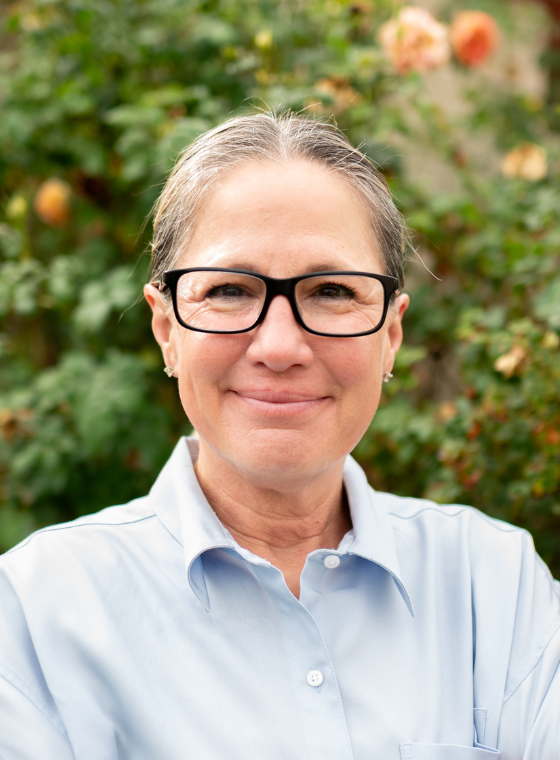
Brigita Landstrom, MHS, CPHQ, CAS
Director
SunHawk Consulting
Brigita Fody Landstrom has 25 years of Medicare/Medicaid managed care, Community Health Center Quality, and large hospital and healthcare systems experience. Passionate about population health, Brigita has dedicated her career to serving the health of communities, with extra attention on traditionally marginalized populations. Brigita has worked with leaders and regulators within multiple market segments on data-driven systems improvement, large-scale health program implementation, grant writing, risk contracting, budget development, policy development, and staff training and support.

Sailaja Prakriya
Director
SunHawk Consulting
Sailaja Prakriya is a healthcare analytics and transformation leader with more than 20 years of experience helping payer, provider, and government healthcare organizations improve operational performance, financial outcomes, and population health through data-driven strategies. She specializes in healthcare analytics strategy, revenue cycle performance analytics, and value-based care transformation, helping organizations translate complex healthcare data into actionable insights that drive measurable improvement.
SunHawk experts are highly experienced professionals ready to assist you within our focus areas of:
Healthcare Compliance | Corporate Investigations
Corporate Compliance | Litigation Disputes
Have a question? We are ready to answer it.